
KINGS COUNTY, CALIFORNIA · A LIVING HISTORY
Kings County Through Time
From Pa’ashi (Tulare Lake) and the communities who have long called this region home to railroads, local landmarks, and today’s changing landscape, explore the milestones behind the places we know.

Before 1800s
Indigenous histories
1877
Railroad growth
1893
County established
2023
Tulare Lake refills
EXPLORE THE ERAS
Follow the turning points
This is a selected timeline, not a complete record. Each milestone links to a source so you can explore further.
Land & peopleRailroad & countyWork & institutionsToday’s landscape
01 / THE LAND & ITS PEOPLE
Before the county lines
Kings County’s story begins well before the name “Kings County” or the towns on today’s map.
Before the 1800s
LIVING CULTURAL HISTORY
Pa’ashi and Indigenous communities
Pa’ashi, now commonly called Tulare Lake, was part of a broad landscape of waterways, wetlands, and gathering places. Tachi Yokut communities and other Indigenous peoples lived in and maintained relationships with the region. Their history is not confined to the past: contemporary tribal representatives are helping lead research and protect cultural knowledge about the lake and its surroundings.

1800s
LANDSCAPE & CHANGE
A lake reshaped by settlement and agriculture
As non-Indigenous settlement and commercial farming expanded, water was diverted and land use changed across the Tulare Basin. The lake’s extent had always varied with rainfall and snowmelt, but dams, canals, levees, and irrigation increasingly altered the historic wetland system. That transformation reshaped how communities worked, traveled, and lived around the basin.
Source: NASA Earth Observatory
02 / RAILROAD & COUNTY
New routes, new communities
Rail service, immigration, rebuilding, and local self-government shaped the towns emerging in the late nineteenth century.
1877
TRANSPORTATION & SETTLEMENT
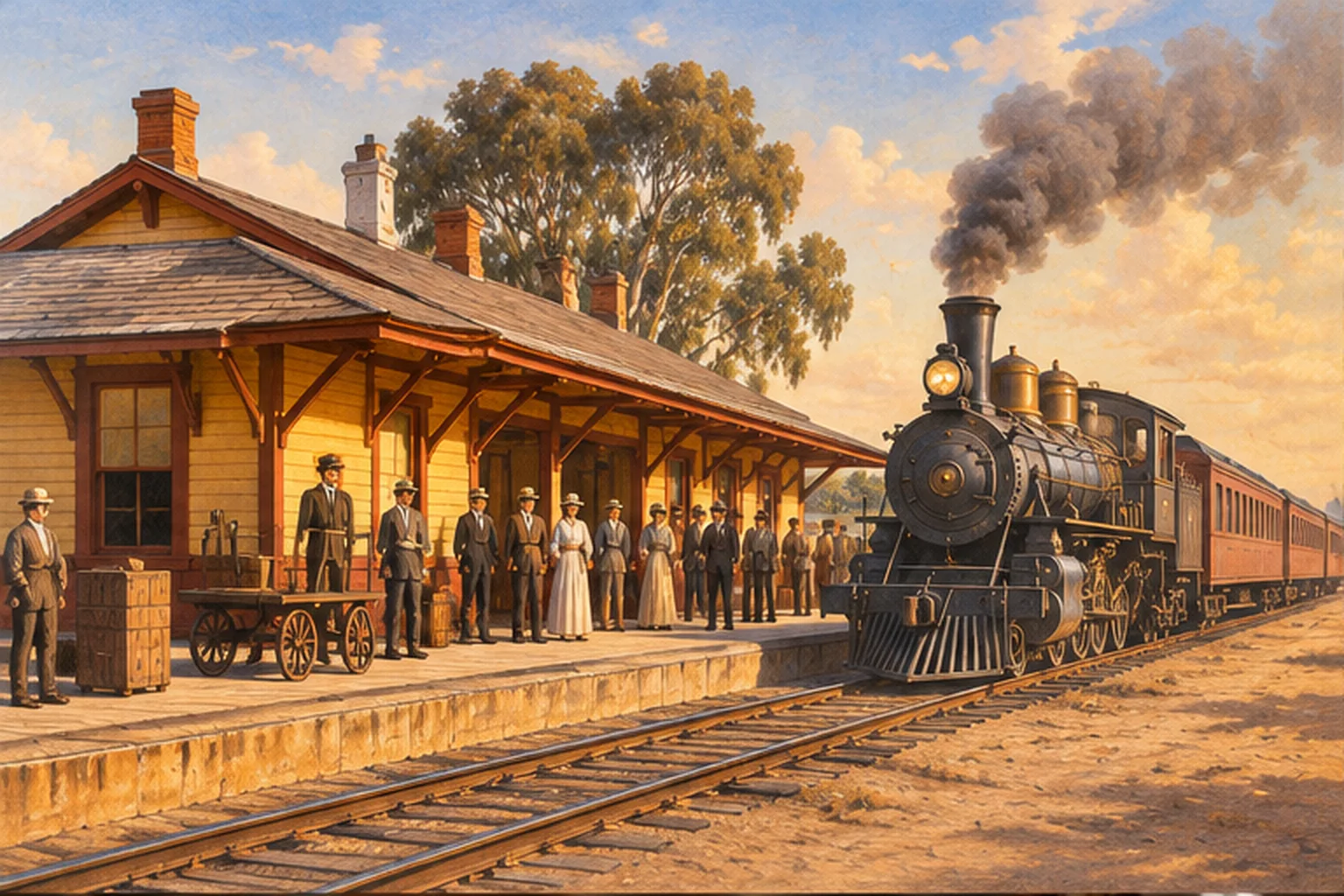
Railroad tracks reach the region
The Southern Pacific Railroad brought new connections and commercial growth to the area. Hanford grew around the railway, while new arrivals joined existing residents in agriculture, commerce, and other work. Rail access tied the developing towns more closely to markets across California, and its influence remains visible in streets, rail corridors, and downtown buildings.
Source: Kings County government
Late 1870s
PEOPLE & COMMUNITIES
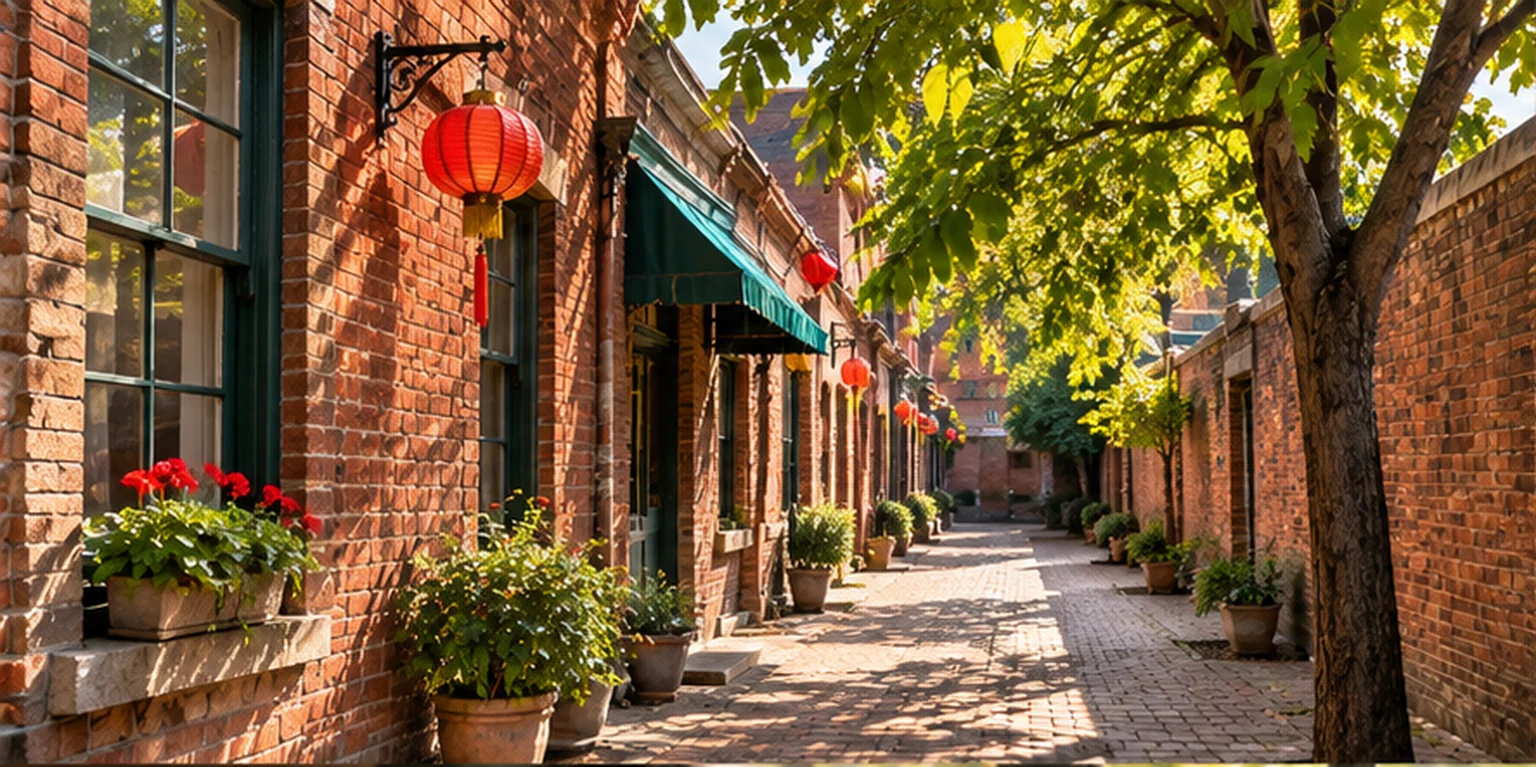
China Alley takes root in Hanford
Chinese immigrants helped build rail infrastructure and contributed to agriculture, shops, and community life. Hanford’s China Alley developed into a district of homes, businesses, places to meet, and cultural institutions. The district’s history also reflects the discrimination Chinese Americans faced and the resilience of families and organizations that preserve its legacy.
Source: China Alley Preservation Society
1891
LOCAL GOVERNMENT
Hanford incorporates after destructive fires
Following major fires in the downtown business district, residents revisited the question of municipal government and public protection. Hanford voted to incorporate in August 1891. Its incorporation marked a new stage in civic services and local decision-making, just two years before the creation of Kings County.
Source: City of Hanford
1893
COUNTY FORMATION
Kings County becomes a county
Voters approved a division of Tulare County, creating Kings County in 1893. Hanford became the county seat. This administrative change brought the growing agricultural and commercial communities under a new county government, but the region’s Indigenous history, working landscapes, and local stories extend far beyond this founding date.
Source: Kings County government
03 / WORK & INSTITUTIONS
Building a county life
Libraries, energy, and community infrastructure tell the story of a changing twentieth century.
1906
CULTURE & LEARNING
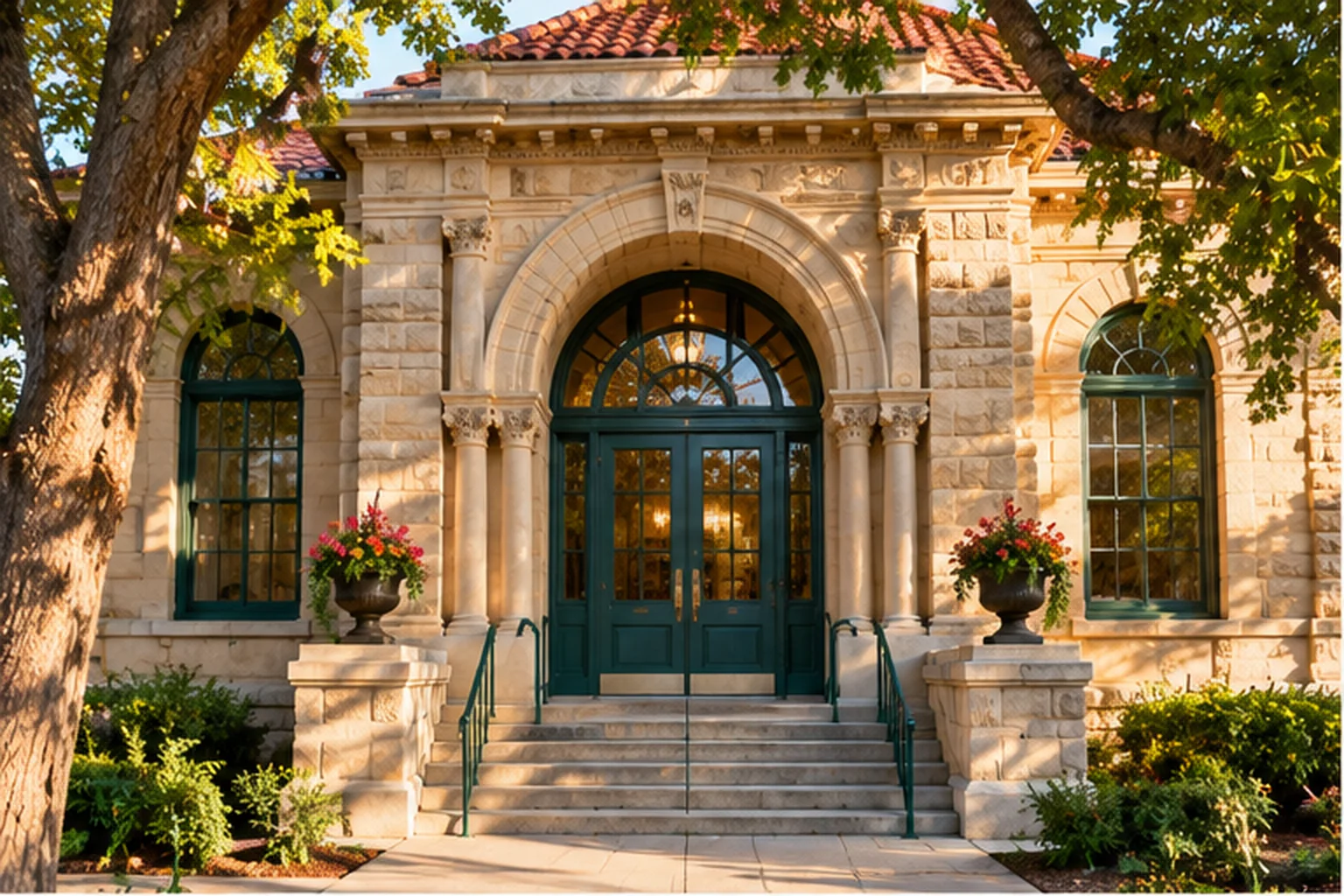
Hanford’s Carnegie library opens
In February 1906, Hanford opened a public library building supported by an Andrew Carnegie grant. It replaced an earlier reading room and became an important civic landmark. The building later found a second life as a museum, a reminder that familiar structures can carry several chapters of local history.
Source: Kings County Library
1912
EDUCATION & ACCESS
The county library system is established
Kings County supervisors established a county library in November 1912. It initially operated from the second floor of Hanford’s Carnegie building. Public library services evolved over the following decades, connecting communities with books, records, learning opportunities, and an enduring resource for local historical research.
Source: Kings County Library
1928
OIL & ECONOMIC CHANGE
Kettleman Hills oil discovery
On October 5, 1928, a dramatic oil strike in the Kettleman Hills transformed the prospects of the western county. Oil development helped shape the growth of Avenal and surrounding settlements, bringing workers, investment, and new industries to a region already shaped by ranching and agriculture.
Source: City of Avenal
1961
AVIATION & COMMUNITY
Naval Air Station Lemoore is commissioned
Naval Air Station Lemoore was commissioned on July 8, 1961. Built in an agricultural setting, the installation became a major part of the region’s aviation history and local economy. Its development added another layer to the story of work, housing, transportation, and community life in and around Lemoore.
Source: U.S. Navy / NAVFAC
04 / PRESERVATION & CHANGE
The past meets the present
Preserved buildings, historical records, and changing water levels continue to reshape how people understand the region.
1974
PRESERVATION
Carnegie building reopens as a museum
After decades serving library readers, the historic Carnegie building was renovated and reopened as a local museum in 1974. Its changing uses illustrate how communities can adapt older civic spaces while preserving an architectural connection with earlier generations.
Source: Kings County Library
2023
WATER & COMMUNITY
Tulare Lake temporarily returns
Heavy rains and Sierra Nevada snowmelt refilled portions of the former Tulare Lake basin in 2023. The flooding disrupted farms, roads, and nearby communities, while satellite images made the historic lakebed’s geography newly visible. The event drew attention to changing water patterns and to the long history of the lake within the Central Valley.
Source: NASA Earth Observatory
BEYOND THE DATES
A timeline is only the beginning
The history of Kings County also lives in family memories, tribal knowledge, working landscapes, neighborhood buildings, and photographs that rarely appear in a list of milestones. Explore these events as starting points, then follow the people and places behind them.
KEEP EXPLORING
Stories behind the milestones
PLACES & LANDMARKS
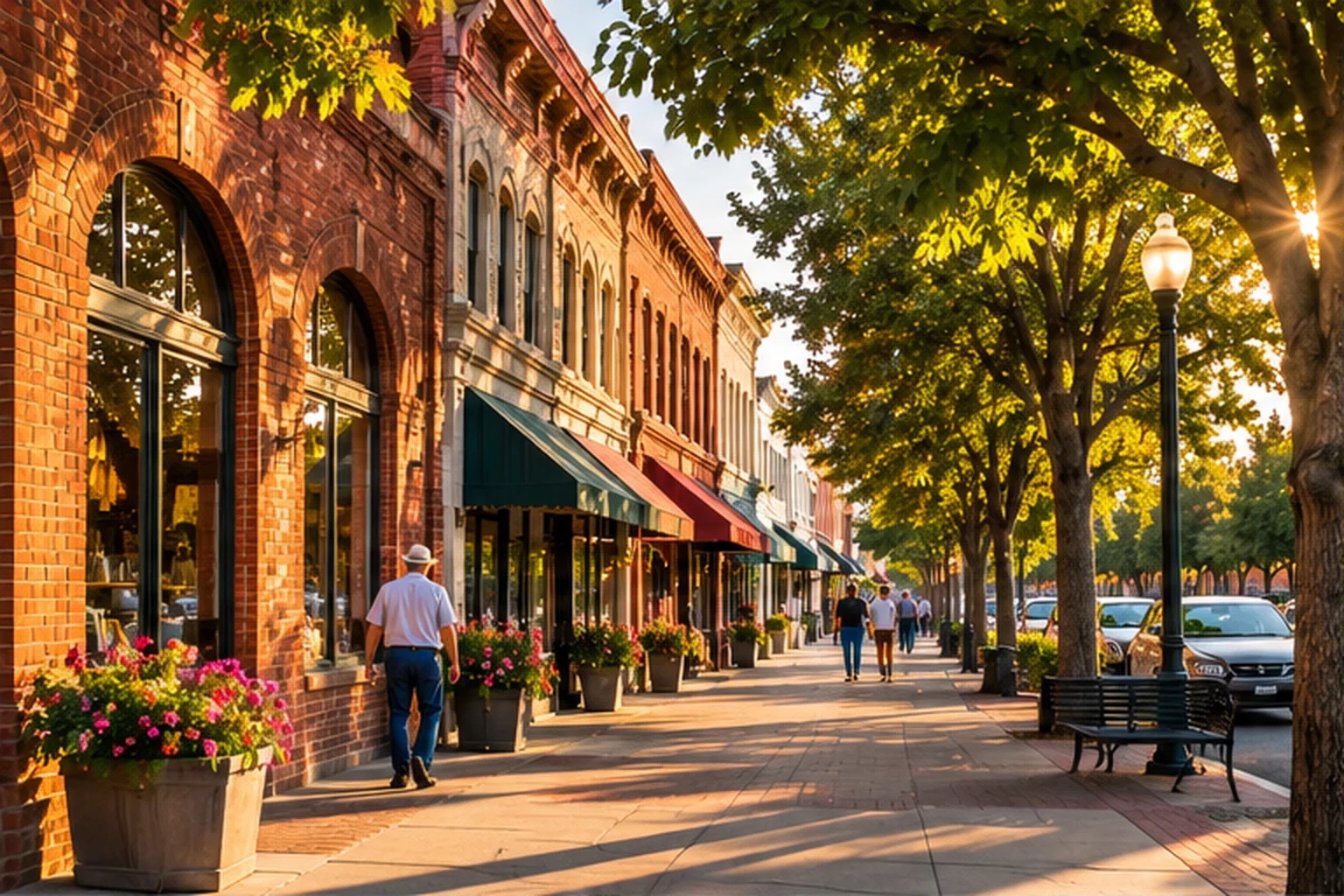
Historic Hanford
See how buildings and downtown streets connect earlier generations with the present.
PEOPLE & COMMUNITIES
The Stories of China Alley
Follow the cultural and community history rooted in Hanford’s China Alley.
LAND & WATER
Tulare Lake Through Time
Explore why the lake and its changing landscape remain central to local history.
A NOTE ON THE RECORD
Research & sources
Dates and descriptions are based on the linked institutional and community sources. Some historical events were gradual, and not every experience fits a single year. This selection is intended as an introduction rather than a comprehensive chronology. All artwork used in this timeline is illustrative, not authenticated archival photography.