
Home About the Project

Our purpose

About the Project

Discover the stories behind the places: an independent editorial guide to Kings County’s history, landscape, and communities.

Start exploring

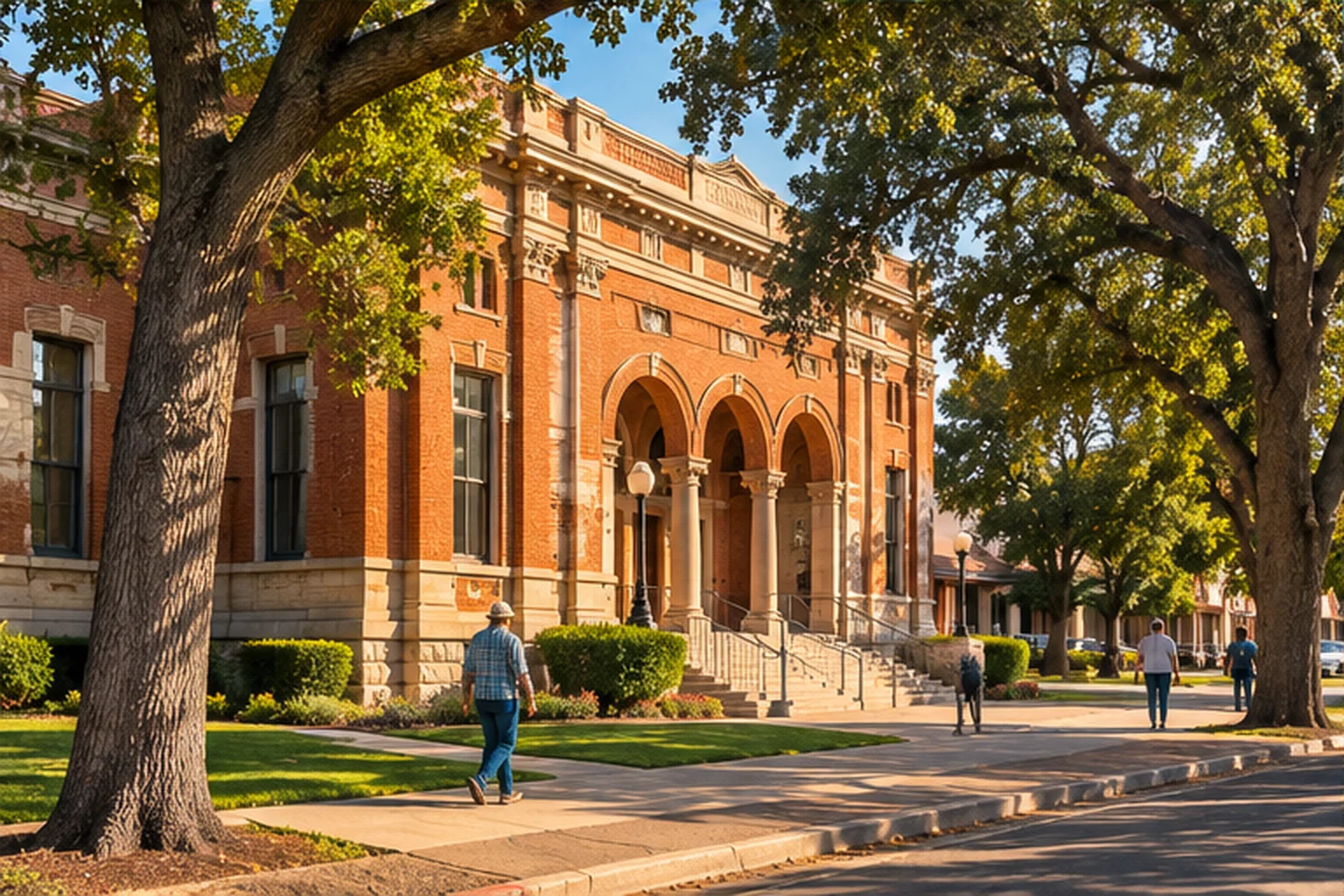
Illustrative visual interpretation of Kings County history and landscape

Illustrative imagery · not an archival record

A history worth exploring

The familiar has a story to tell

Kings County History brings together places, people, photographs, and research to make regional history approachable. It is an independent storytelling project, not a government or museum website.

We invite careful reading, multiple perspectives, and curiosity about what the sources can—and cannot—tell us.

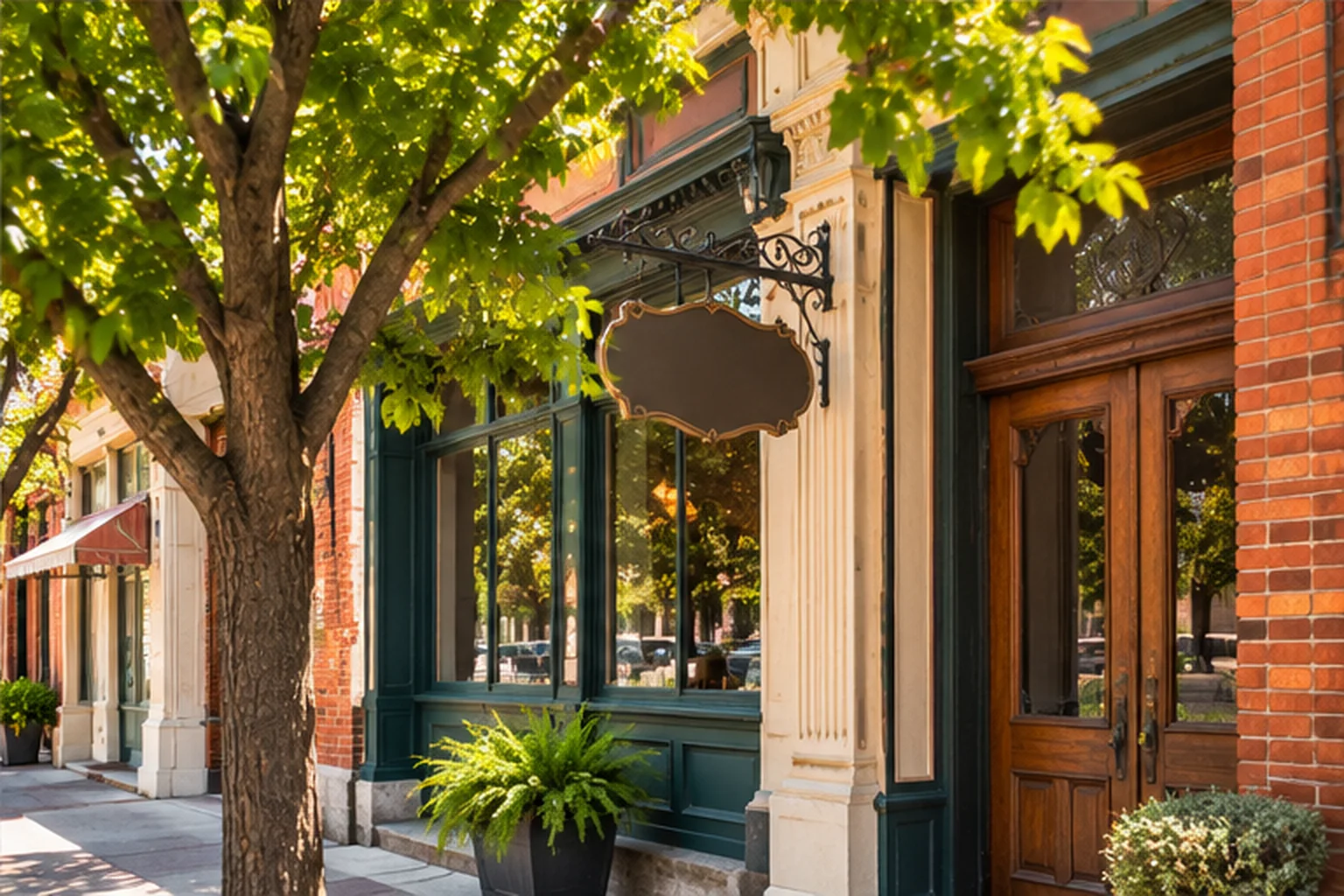
Illustrative view of historic downtown California storefronts

How we tell the stories

Research should be approachable without losing nuance.

01 / Source first

Ground each story

Use historical records, local organizations, libraries, and institutional research as verifiable starting points.

02 / People matter

Make room for many voices

Tell community histories with care, including continuing Indigenous histories and perspectives.

03 / Clear attribution

Distinguish fact from illustration

Separate documented events, interpretations, visual concepts, and images from genuine archives.

Follow your curiosity

Start with a place. Discover a community.

From Hanford’s historic streets to the Tulare Basin, follow the questions and connections that interest you.

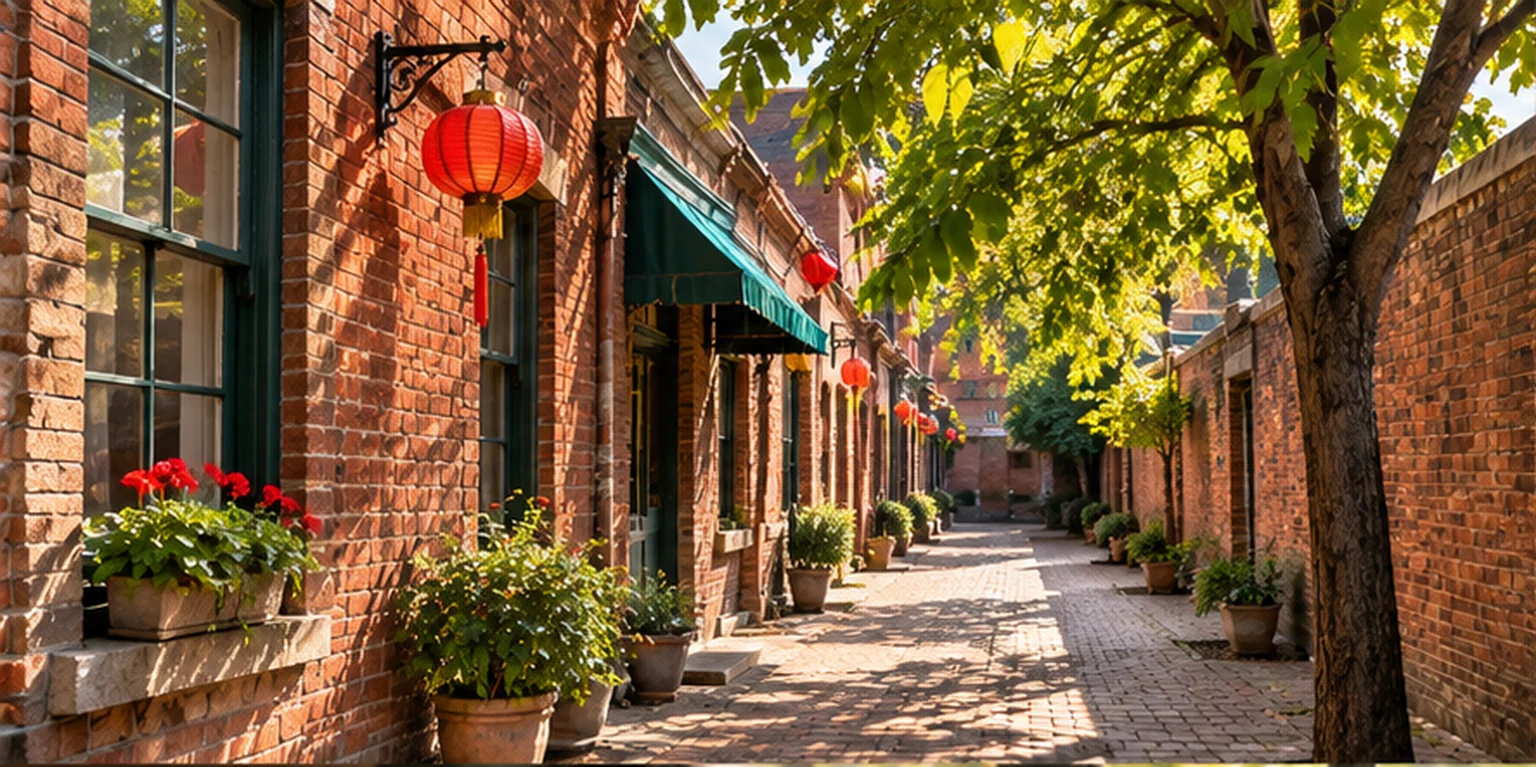
Illustrative brick alley with traditional red lanterns

In more detail

Our editorial approach and background

Kings County History is a local-history storytelling website focused on Kings County, California. The project aims to make the county’s landscapes, historic places, and community stories accessible through researched articles, maps, photographs, and connected reading trails.

Stories are developed from publicly available institutional sources, local historical organizations, government records, and other materials that can be checked by readers. We distinguish documented events from interpretations and illustrative visual material.

Our editorial approach

We aim to represent different communities respectfully, include Indigenous perspectives where relevant, and preserve links to original research. Any organizational affiliations should be listed here only when they are real and verifiable.

To explore the evidence behind the site, visit Research Resources and Sources & Credits.